I finally read The Let Them Theory, by Mel Robbins. It had been on my TBR (To Be Read) shelf for a while, so I was excited to get a copy and dive in.
When I first starting reading, I shared with a colleague that I had started it, and she rolled her eyes and said, “she’s just telling everyone what CBT therapists have been trying to say for years.” I suppose I can somewhat see her point, but I think The Let Them Theory has resonated with a lot of people, some who haven’t been to therapy (CBT specifically) or some who tried therapy, but it just didn’t click for them.
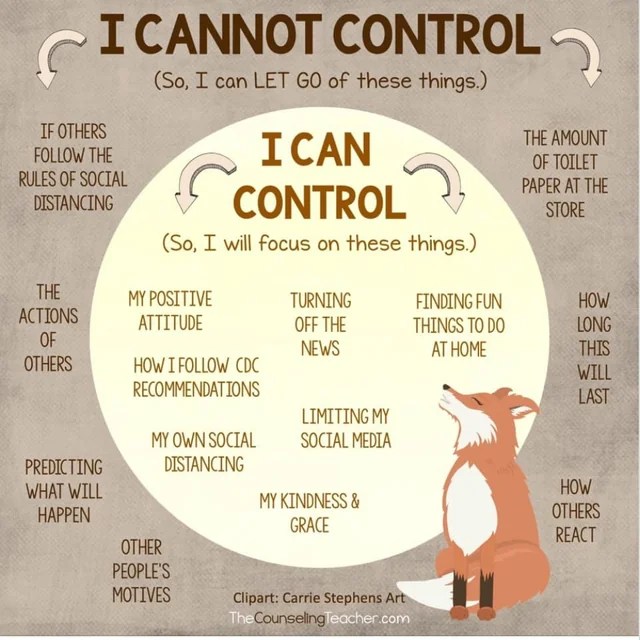
The Let Them Theory is all about how we respond to things that trigger us, especially the actions of other peoples. It’s almost a way to shrug it off; you just say “let them” and go on with your day. This is CBT thought challenging in a nutshell. Something triggers a thought, which then triggers a behavior, which then triggers an emotion. The Let Them Theory is catching that thought (often unpleasant and unhelpful), and using “Let Them” as a replacement thought and a reminder that you can’t control other people, but you can choose not to let it bother you. It’s been helpful for a lot of people, and I’ll admit that I’ve used “let them” on some situations I’ve encountered since reading the book!
I also appreciate that Mel Robbins doesn’t just stop at “Let Them,” but goes on to say “Let Me.” It’s the other part of the equation we can control, right? I can control my reaction to other people, and but I can also control my own actions. It’s moving on from “let them” and using what happened to inspire your own behavior. Let them be successful, and let me take the steps I need to take to also be successful.
I will say that I think people often forget about the “let me” part. Mel Robbins emphasizes it in the book, so it’s not for lack of effort on the authors part! I’ve heard many clients use “let them” in a way that almost sounds like code for “eff them,” and that’s not what it’s about. That’s anger. The impression I got, is “let them” comes from a place of indifference or “good for them, now watch me.”
Another portion of the book I found especially helpful was Chapter 13, titled How to Create the Best Friendships of Your Life. I think just about everyone has felt, at some point in their life, a desire for deeper friendships. Or just a friend in general. It’s very common for a client to tell me that they feel alone and isolated. Maybe they began working remotely and don’t see coworkers in person any more. Maybe they just moved and haven’t made any friends. Maybe they got divorced and lost all their friends in the process.
In The Let Them Theory, Mel normalizes difficulty in meeting people and building friendships, and I truly appreciated that. She also normalizes the amount of effort and time it can take to make friends and build meaningful relationships. It’s hard! In this book, she offers some great tips for putting yourself out there, but maintains that it takes consistent effort.
I’d recommend giving it a read! I think there are some helpful tidbits for just about anyone in this book, and I appreciate Mel Robbin’s style and using personal examples. Maybe this is CBT in a book, but she’s done a fantastic job of writing a book that resonates with a multitude of people!
Disclaimer: I am a licensed independent mental health practitioner and certified professional counselor, but I am not your therapist. The information in this article is for general informational purposes only. This article does not create a therapist-client relationship. If you need specific recommendations based on your individual circumstances, please consult with a mental health practitioner near you.

 Krista H Counseling